
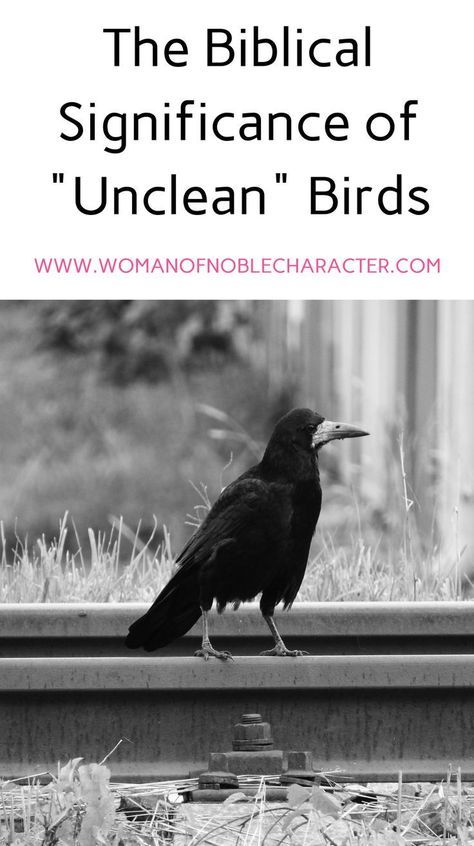
Across the United States, ravens can be seen soaring over mountains, crossing deserts, and searching for food near roads and open fields. Their dark feathers, deep calls, and habit of eating many kinds of food can make them seem mysterious. Some readers encounter a different view of ravens when they study the Bible, where the birds appear in passages about clean and unclean animals.
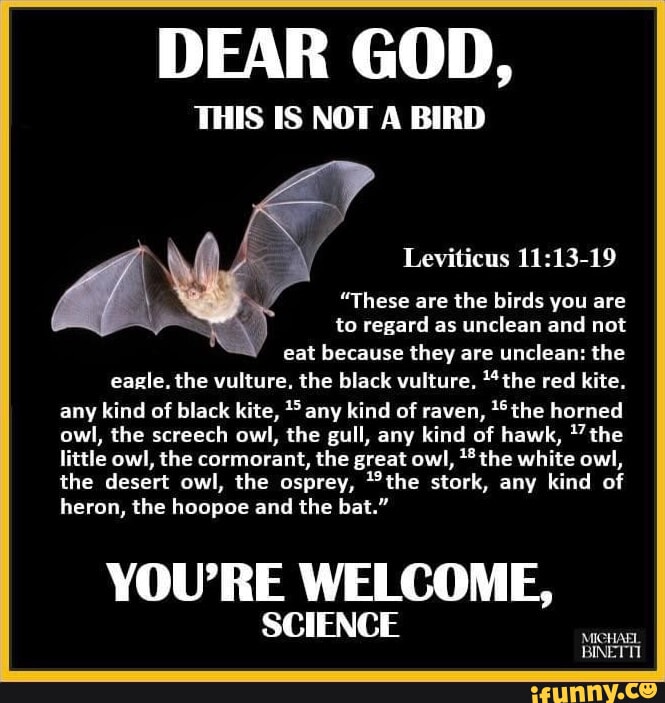
The word unclean has a specific meaning in the biblical dietary laws. In Leviticus 11 and Deuteronomy 14, ravens belong to a group of birds that the Israelites were not permitted to eat. This rule was part of an ancient religious system that shaped daily life, worship, and the distinction between permitted and forbidden foods.
Yet the Bible does not portray ravens as creatures that God simply rejects. A raven is sent out from Noah’s ark, ravens are associated with God’s care for Elijah, and Jesus uses ravens to teach people about trust in God’s provision. These passages help explain why a bird can be classified as unclean for food while still having a meaningful place in Scripture.

What Does the Bible Say About Ravens Being Unclean?
The clearest answer comes from Leviticus 11 and Deuteronomy 14. Both chapters describe animals that the Israelites could eat and animals they were to avoid. Ravens appear in the lists of forbidden birds, so they were classified as unclean for food under these laws.
Leviticus 11 presents rules about clean and unclean animals as part of Israel’s religious life. Deuteronomy 14 repeats much of this teaching as Moses reviews the laws for the people. These passages were not field guides that judged every bird by its behavior. They set boundaries for the community’s diet and religious identity.
The English word unclean can sound like a claim that something is filthy, wicked, or dangerous. In this biblical setting, however, it has a more specific role. It describes a status within a system of religious rules, and that status affected whether an animal could be used as food.
This distinction matters because the Bible also describes God as caring for ravens. Their classification did not prevent them from serving as examples of God’s power, provision, and attention to creation.

Why Were Ravens Included in the Unclean Bird List?
The Bible gives the prohibition but does not provide a single, explicit biological explanation for every bird on the list. Readers should therefore be careful about claims that ravens were banned for one proven reason. Several explanations have been proposed, but they do not all have the same level of support.
Ravens are members of the crow family, Corvidae. They are intelligent, adaptable birds that eat a wide range of foods. Depending on the setting and season, their diet can include insects, seeds, fruit, small animals, eggs, human food waste, and carrion. Carrion is the flesh of animals that have died.
Because ravens may feed on dead animals, some readers connect their diet with ideas about death, impurity, or ritual cleanliness. That association is understandable, but it does not establish the historical reason for the biblical rule. The dietary lists do not say that carrion feeding is the specific test that made ravens unclean.
The most accurate explanation is that the raven was included in a divinely given dietary classification within ancient Israel’s religious law. The exact rationale behind every bird’s inclusion remains uncertain, and the text itself should take priority over theories added later.

What Does Unclean Mean in the Old Testament?
In the Old Testament, clean and unclean categories helped organize several parts of religious life. Some rules concerned food, while others addressed contact with certain animals, bodily conditions, or sources of ritual impurity. The exact meaning depends on the passage and the situation.
A dietary prohibition was practical as well as religious. It told the people which animals they could eat within the covenant framework. It did not require them to believe that every forbidden animal was physically dirty, morally bad, or unworthy of protection.
The word holy also appears in this wider framework. Israel was called to live as a people set apart for God, and the rules about food formed one part of that larger identity. The distinction between permitted and prohibited animals served as a daily reminder that religious life included ordinary choices such as meals.
For modern readers, the key is to avoid importing today’s everyday meaning of dirty into every biblical use of unclean. A clean kitchen and a ritually clean animal are not the same concept. Understanding this difference makes the raven passages easier to read without treating the bird as a symbol of evil by default.

How Does the Raven Fit Into the Story of Noah’s Ark?
The raven appears in Genesis 8:6-7, after the flood. Noah opens the window of the ark and sends out a raven. The bird flies back and forth until the waters have dried from the earth, according to the wording of many English translations.
The story then describes Noah sending out a dove to learn whether the waters had receded. The dove returns at first, later brings back an olive leaf, and eventually does not return. The two birds play different roles in the account, but the text does not directly say that the raven’s behavior was proof of wickedness.
Some later interpretations contrast the raven with the dove. The dove is often linked with peace, hope, or renewal, while the raven may be associated with darkness or the world outside the ark. These are interpretive associations rather than a direct statement in Genesis that the raven was rejected by God.
The passage also reminds readers that a bird’s status in a dietary list does not dictate every role it can have in a biblical story. The raven is part of the account of Noah and the flood, a major narrative about judgment, survival, and the renewal of life.

Why Did God Use Ravens to Feed Elijah?
One of the strongest reasons not to equate an unclean raven with an evil creature is the story of Elijah in 1 Kings 17:2-6. During a drought, God tells Elijah to go to the Wadi Cherith, where he can drink from the stream. Ravens bring him bread and meat in the morning and evening.
The story presents the ravens as agents of provision. They help sustain a prophet during a time of hardship. Instead of treating the birds as rejected creatures, the narrative places them within a story about God’s ability to provide for someone in a harsh and uncertain setting.
The account does not explain how the ravens obtained the food or whether the food itself was subject to a particular dietary rule. Its focus is the provision Elijah receives. Readers should avoid adding details that the text does not provide.
For people who associate ravens only with death or bad omens, this story offers a different image. The raven becomes part of a message about survival, care, and dependence on God. Its biblical role is more complex than a single label can express.

What Did Jesus Mean When He Spoke About Ravens?
Jesus refers to ravens in Luke 12:24 when he teaches his listeners not to live in constant worry about food and clothing. He points to the ravens: they do not sow or reap, they have neither storeroom nor barn, yet God feeds them. Jesus then asks how much more valuable people are.
The lesson is about trust in God’s care. Jesus does not pause to condemn the raven or describe it as spiritually corrupt. Instead, he uses an ordinary wild bird as a clear example of life that depends on provision beyond its own planning.
A similar teaching appears in Matthew 6:26, where Jesus tells people to look at the birds of the air. That passage does not name ravens in the same way Luke does, but it shares the theme of God’s care for creation and the call to avoid anxious concern.
These teachings do not erase the ancient dietary rules from their historical setting. Rather, they show that a raven’s place in Scripture cannot be summed up by the word unclean. The bird can be prohibited as food in one context and used as a positive illustration in another.

Do Christians Still Consider Ravens Unclean Today?
Christian views on the Old Testament dietary laws vary, and many Christian traditions do not treat the prohibition against eating ravens as a binding rule for believers. Other communities place greater emphasis on biblical food distinctions or interpret them within particular religious practices.
Many Christians understand passages such as Mark 7:18-19, Acts 10:9-16, and Romans 14:14-20 as part of the New Testament discussion about food, purity, conscience, and the inclusion of Gentiles. Their precise implications are debated across traditions, so no single summary represents every Christian interpretation.
In Acts 10, Peter sees a vision involving animals and hears a command not to call unclean what God has made clean. The passage’s immediate context concerns Peter’s understanding of people and his visit to Cornelius. Many Christians also connect the vision to changing views of food, but the passage should not be reduced to a simple statement about ravens alone.
For Jewish readers, the traditional dietary laws remain an important part of kosher practice. Ravens are not permitted as food under traditional Jewish dietary rules. The relevant religious framework differs from the way most Christian denominations approach Old Testament food restrictions.
Are Ravens Bad Omens or Symbols of Death?
Ravens have been linked with death, mystery, and omens in different cultures, in part because they may feed on dead animals and often appear in dark or dramatic settings. These associations are cultural interpretations, not proof that a raven predicts misfortune or carries an evil spiritual force.
The Bible includes imagery involving darkness, judgment, wilderness, and death, but a reader should examine each passage before assigning a fixed meaning to the bird. The raven in the Elijah story is a provider, while the raven in Genesis is part of the account of Noah’s search for dry land.
A raven seen near a home, perched on a roof, or calling from a tree does not provide reliable evidence that something bad will happen. In the United States, ravens are wild animals that seek food, mates, nesting sites, and safe places to rest. Their behavior can often be explained by their environment rather than by an omen.
Religious symbolism may still be personally meaningful. A person may use a raven as a reminder to reflect on mortality, wisdom, survival, or trust. It is best to distinguish such personal meaning from claims that the bird has a universal supernatural message.

Ravens in Nature: What Their Behavior Really Tells Us
Modern bird biology gives a clearer view of ravens as living animals rather than fixed religious symbols. The common raven, Corvus corax, occurs across much of North America, including mountain areas, deserts, forests, and open landscapes. Its range and behavior help explain why people encounter it in many different settings.
Ravens are opportunistic feeders. They may eat carrion, insects, berries, seeds, small animals, and food scraps, adjusting their diet to local conditions. This flexibility is one reason they can live in varied habitats, from remote wilderness to places influenced by human activity.
They are also known for complex social behavior and problem-solving skills. Ravens can learn from experience, respond to other birds, and use calls and body movements to communicate. None of these traits makes them morally clean or unclean; biological traits and religious classifications answer different kinds of questions.
For a reader in the United States, this distinction is useful when seeing a raven near a road, a campsite, or a mountain trail. The bird may be searching for food or responding to another animal. It is not possible to infer its spiritual meaning from its behavior alone.

Frequently Asked Questions

Animal Facts Zone is a family-friendly online resource built for curious minds, students, and wildlife enthusiasts. Founded and edited by Sourov Biswas, the platform breaks down fascinating animal behaviors, species identification guides, and nature trivia into clear, easy-to-read articles.
From backyard butterflies and fireflies to reptiles, birds, and wild matchups, every guide is crafted to answer real questions about the natural world and inspire everyday wildlife appreciation. Whether you are a student researching a species or a nature lover exploring your own backyard, Animal Facts Zone helps you learn something new about the animal kingdom in minutes.