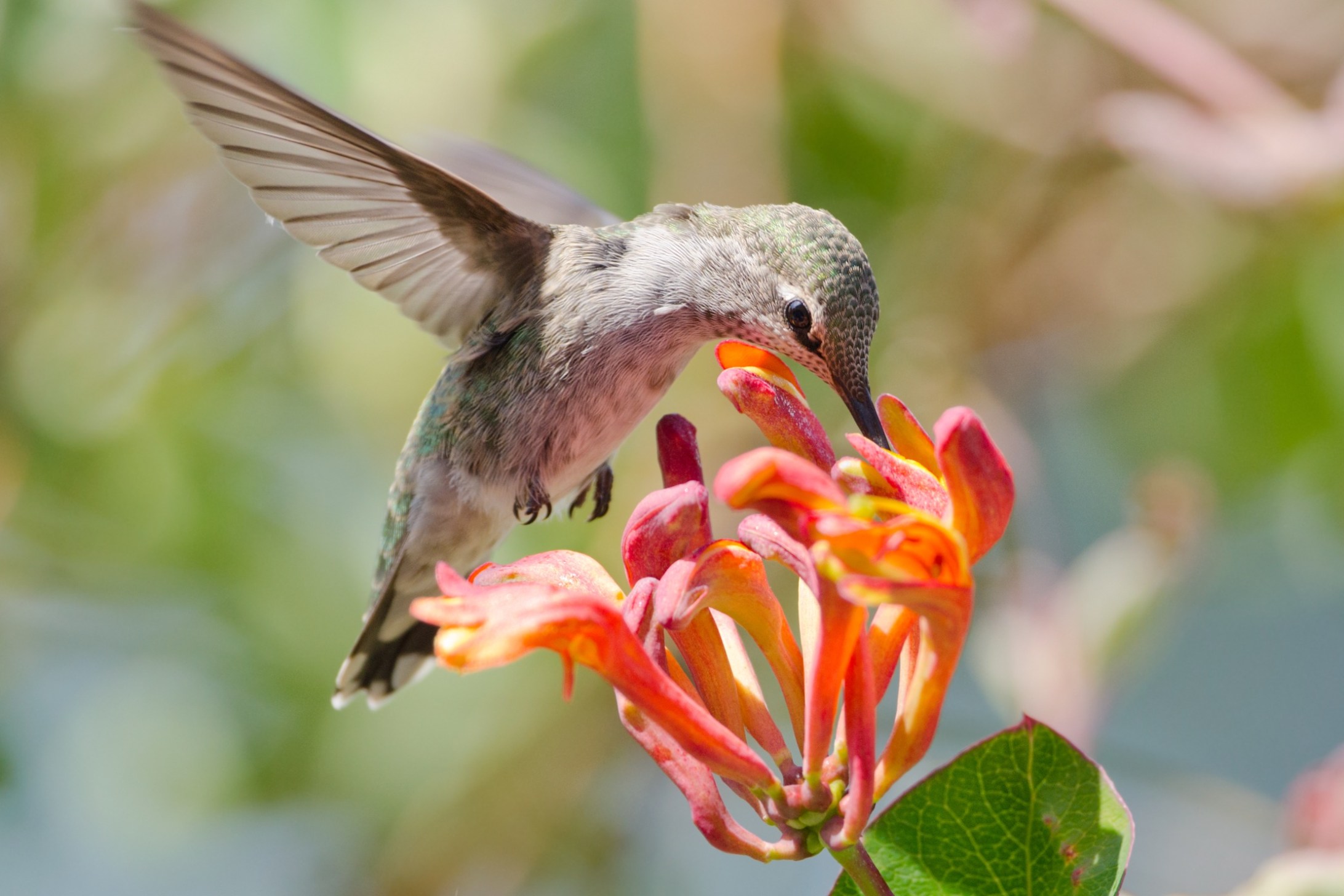
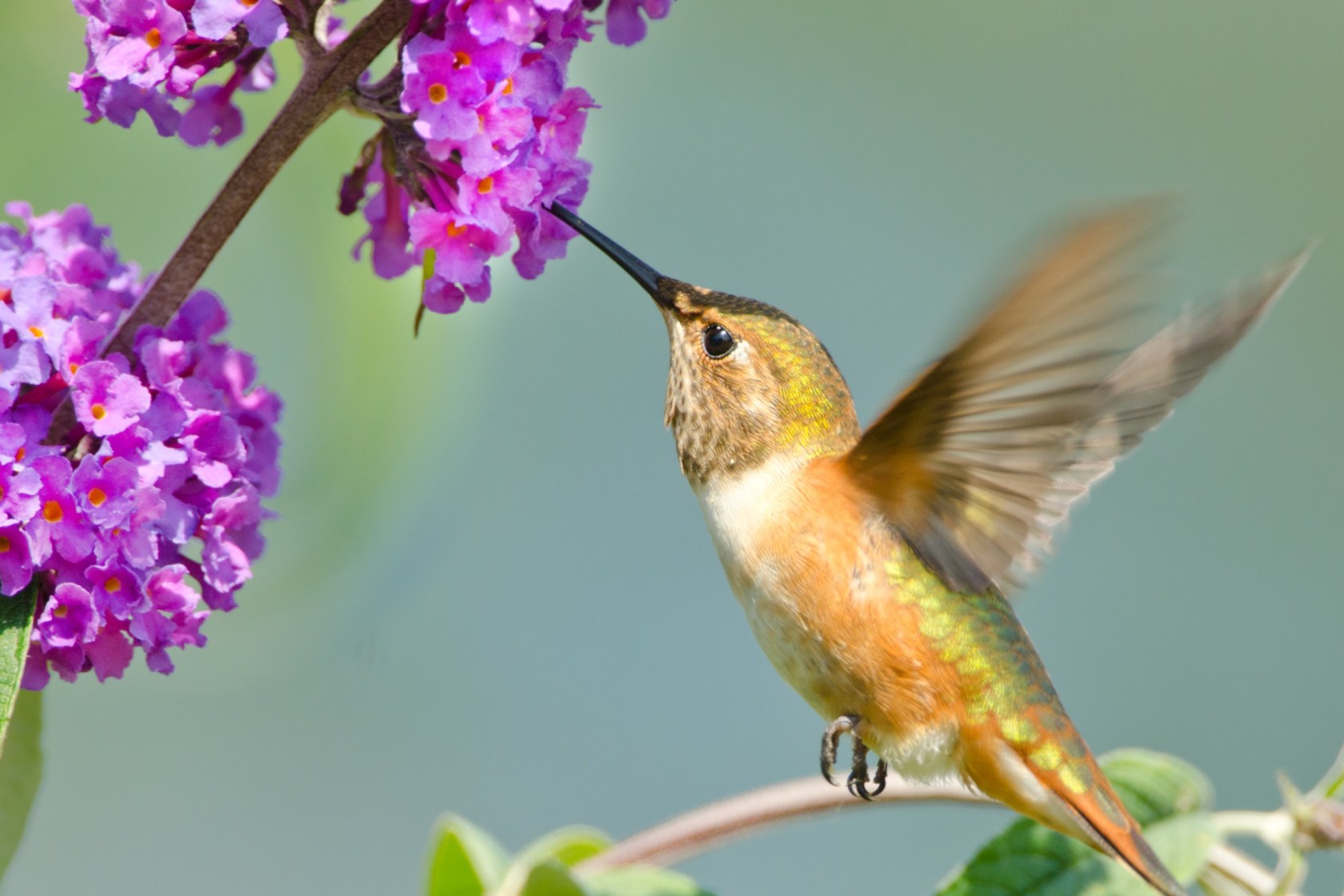
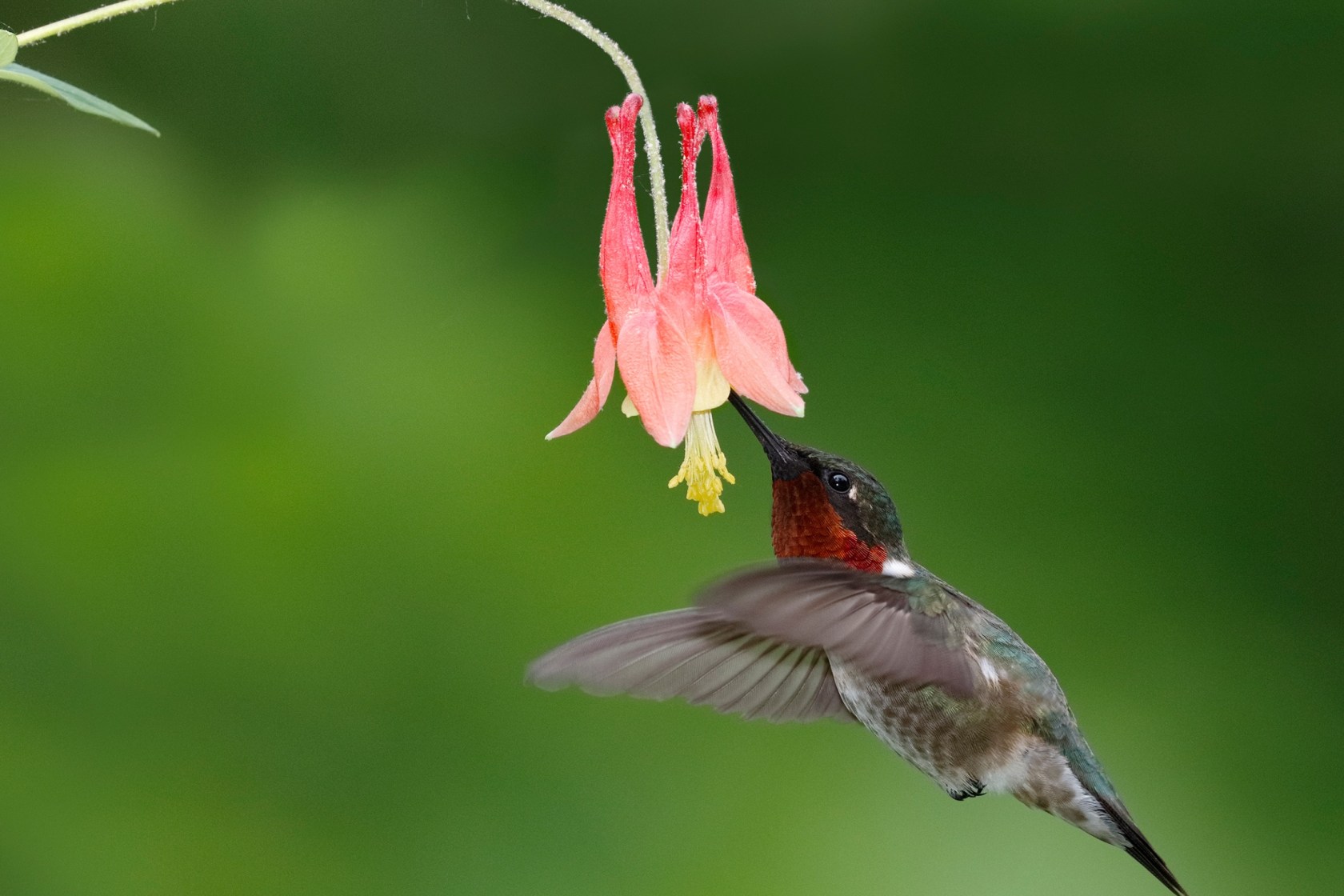
Yes, many hummingbirds have left northern and central parts of the United States by late fall. However, some are still migrating, and several species remain in parts of the country throughout winter.
If your hummingbird feeder has been quiet lately, you may wonder whether your tiny visitors have left for good. Across the United States, hummingbird activity changes as summer ends and fall begins. Many birds head south toward Mexico and Central America, while others move to warmer parts of the country. The exact timing depends on the species and where you live.
For many backyard bird watchers, October marks the end of regular hummingbird visits. By late October, most Ruby-throated Hummingbirds have left much of the northern United States. Yet birds in the Gulf Coast states, southern Arizona, and parts of California may still be around. Some western species can even visit feeders during winter.
A quiet feeder does not always mean every hummingbird has left your area. Late migrants may still pass through, and unusual visitors sometimes appear outside their normal range. The best approach is to keep watching, maintain a clean feeder, and learn which hummingbird species live in your region.
Source: Bing
Are Hummingbirds Gone for the Season in October?
In much of the United States, October is when hummingbird season winds down. Many birds that spent the summer breeding and raising young have already started their journey south. By the end of the month, feeders in northern states may remain empty for days or weeks.
The Ruby-throated Hummingbird is the main hummingbird species across the eastern United States. Most of these birds migrate south in fall. They spend the colder months in Mexico and Central America, although a small number may appear in unusual winter locations.
Western states have a different pattern. Several species have different migration routes and winter ranges. Some move to lower elevations, while others travel into Mexico or remain in coastal areas where food is available.
Therefore, the answer depends on your location. A homeowner in Michigan may have already seen the last regular hummingbird of the year, while someone in southern Arizona may still enjoy daily visits.
Source: Bing
Northern United States
Most seasonal hummingbird visitors have usually departed by October. Late migrants may still appear.
Central United States
Many birds leave during September and October, although timing varies with species and local conditions.
Southern United States
Some birds remain later in fall, and certain species or unusual visitors may stay through winter.
Western United States
Some hummingbirds remain year-round, while others move between mountains, deserts, coastal areas, and Mexico.
Does the Season End at the Same Time Everywhere?
No. The United States covers a wide range of climates and habitats. Hummingbirds in Maine face different seasonal conditions from those in Florida or California. Their migration schedules reflect these differences.
Elevation also matters. Some western hummingbirds move downhill when mountain temperatures drop. This means a bird can disappear from a mountain garden without leaving the wider region.
When Do Hummingbirds Leave the United States?
Most migratory hummingbirds begin moving south between late summer and fall. However, there is no single departure date for every species or state. Some birds start moving in July, while others may still be passing through parts of the country in November.
In general, adult males often leave breeding areas before females and young birds. Females may stay longer to finish raising their young. Young hummingbirds then begin their first migration without following their parents.
The Ruby-throated Hummingbird offers a useful example. Males often begin leaving northern breeding grounds in late summer. Females and young birds follow later, with many reaching the southern United States by fall before continuing toward Mexico and Central America.
The Rufous Hummingbird follows a different route. Many travel south from western breeding grounds toward Mexico. Some pass through the Pacific states, while others use routes through the Rocky Mountain region.
Source: Bing
July and August
Some western species and early-moving males begin leaving their breeding areas.
September
Fall migration becomes noticeable across many northern and central states.
October
Many remaining seasonal visitors move south, although late migrants may still appear.
November
Most northern breeding visitors are gone, but southern states may still have hummingbird activity.
December through February
Winter residents and occasional unusual visitors may be found in suitable parts of the United States.
Why Do Hummingbirds Migrate?
Hummingbirds migrate mainly because seasonal changes affect food supplies and breeding conditions. Shorter days help trigger the biological changes linked to migration. Many birds also build up fat reserves before making long flights.
They do not leave simply because a feeder becomes empty or the first cold day arrives. Their bodies respond to seasonal signals, and migration is part of their natural life cycle.
A hummingbird may cross hundreds of miles during migration. Ruby-throated Hummingbirds can even fly across the Gulf of Mexico in a long nonstop journey. This trip requires stored energy and careful timing.
Where Do Hummingbirds Go When They Leave?
Most migratory hummingbirds from the United States travel to warmer areas in Mexico and Central America. These places offer flowers, insects, and suitable habitats during the colder months in northern breeding regions.
The exact winter destination depends on the species. Ruby-throated Hummingbirds commonly winter in Mexico and Central America. Rufous Hummingbirds also travel south into Mexico after breeding in western North America.
Some birds do not travel as far as others. They may move from higher mountain areas to warmer lowlands. Others shift toward the coast or follow flowering plants across a region.
This is why hummingbird migration is not one simple trip from north to south. It is a network of different routes shaped by species, elevation, climate, and available food.
Source: Bing
Do All Hummingbirds Leave the United States?
No. Some hummingbirds stay in the United States throughout the year. Anna’s Hummingbird is one of the best-known examples. It lives year-round in parts of the western United States, especially along the Pacific Coast.
Other species may remain in parts of the Southwest and southern states. Costa’s Hummingbirds can be found in suitable desert areas, while some other species occur in the southern United States during winter.
Occasionally, a rare hummingbird appears far outside its normal range. Such sightings can surprise backyard bird watchers, especially in states where hummingbirds are usually absent during winter.
Anna’s Hummingbird
A familiar year-round species in parts of California and the Pacific Coast. It may also make shorter seasonal movements.
Costa’s Hummingbird
Occurs in parts of the desert Southwest, including areas of Arizona and California.
Ruby-throated Hummingbird
Mostly migrates south for winter, although occasional winter sightings occur in southern locations.
Rufous Hummingbird
A migratory western species that generally moves south into Mexico, with some winter visitors appearing in the southern United States.
Can Hummingbirds Stay in One Place All Winter?
Yes, some species and populations can remain in the same general region during winter. This is most common where temperatures are suitable and food remains available.
However, a bird that stays in your state may still move between local feeding areas. A garden with few flowers may lose its visitors, while a nearby area with blooming plants continues to attract them.
How to Tell Whether Your Hummingbirds Have Left
The best way to tell whether hummingbirds have left for the season is to watch their activity over several days. One quiet afternoon is not enough to confirm that migration is over. Weather, natural food, and changes in local movement can all affect feeder visits.
If you have seen fewer birds each week, migration may be underway. A sudden drop in activity during fall can also mean that local birds have moved to another feeding area.
Pay attention to the type of hummingbird you see. A Ruby-throated Hummingbird in a northern state during late fall may be a late migrant. An Anna’s Hummingbird in coastal California may be a regular local resident.
Source: Bing
No visits for several days
This may mean local birds have moved on, but check nearby flowers and other possible feeding sites before deciding.
Fewer visits each week
A gradual decline can be a sign of seasonal migration.
A sudden disappearance
Weather changes, nearby food sources, or a shift in feeding locations may explain the change.
A new visitor in late fall
It may be a late migrant, a winter resident, or an unusual species passing through your region.
Check Your Feeder Before Assuming Migration Is Over
Sometimes the birds have not gone anywhere. The feeder itself may be the reason they have stopped visiting. Old nectar, mold, ants, or a damaged feeding port can make a feeder less useful.
Inspect the nectar for cloudiness, floating material, or signs of spoilage. Clean the feeder and replace the solution when needed. Also look for nearby flowers that may now offer more natural food.
Inspect the nectar
Replace cloudy or spoiled nectar instead of waiting for birds to return.
Check for mold
Look around the feeding ports, base, and inner surfaces.
Look for insects
Ants and other insects may interfere with feeder use.
Watch nearby flowers
Natural nectar sources may attract birds away from your feeder.
Should You Take Down Your Hummingbird Feeder in Fall?
You do not need to remove your hummingbird feeder as soon as the first birds disappear. Keeping it available for a few more weeks can help late migrants and unexpected visitors find food. This is especially useful in areas where fall migration continues into October or November.
A common myth says that leaving a feeder outside will prevent hummingbirds from migrating. This is not true. Hummingbirds respond to seasonal biological signals, including changing day length. A reliable feeder does not cancel those signals or force a bird to remain in your yard.
The Smithsonian’s National Zoo provides regional feeder timing guidance. Its general suggestions include keeping feeders available into late October in middle latitudes and into early November in southern parts of the country. Northern areas often see their main season end earlier.
These dates are guidelines, not strict deadlines. If you still see hummingbirds, there is no need to rush to remove the feeder. Clean it regularly and provide fresh nectar for as long as birds may need it.
Source: Bing
How Long Should You Keep the Feeder Up?
A practical rule is to leave your feeder up for at least two weeks after your last regular hummingbird visit. This gives late migrants an extra chance to find food. In areas with winter hummingbirds, you can keep feeding throughout the year.
If you live in a cold northern area and have not seen a hummingbird for several weeks, you can usually store the feeder after cleaning it. If you live in a warmer region, keeping it available longer may be useful.
Northern states
Many people can remove feeders after the last regular visits and a further period of observation.
Central states
Keep feeders available into fall, especially if late migrants are still appearing.
Southern states
Consider leaving feeders up longer because some hummingbirds remain or pass through during winter.
Western coastal areas
Year-round feeding may support resident species such as Anna’s Hummingbirds.
Can Leaving a Feeder Out Hurt Hummingbirds?
A properly maintained feeder is not harmful simply because it remains outside after migration. The main concern is poor hygiene. Old sugar water can spoil, especially when temperatures remain warm.
If you stop using the feeder, empty it, wash it, and let it dry before storing it. Do not leave old nectar inside for weeks.
How to Feed Hummingbirds Safely During Late Fall
Late-season hummingbirds need the same clean, suitable nectar that they use during summer. You do not need a special winter formula or extra-strong sugar water. A simple mixture of white table sugar and water is the recommended choice.
The standard homemade recipe is one part plain white sugar to four parts water. For example, mix one cup of sugar with four cups of water. Stir until the sugar dissolves, then let the mixture cool before filling the feeder.
Avoid honey, brown sugar, artificial sweeteners, and red food coloring. Honey can support harmful microbial growth, while other sweeteners do not provide the same suitable food source. Red dye is unnecessary because hummingbirds can find feeders through their natural color cues.
Source: Bing
Keep Nectar Fresh in Changing Weather
Cool weather can slow nectar spoilage, but it does not make dirty nectar safe. Check the feeder often and replace the solution when it becomes cloudy or dirty. Clean the feeder at least once a week in cooler conditions, and more often when the weather is warm.
The Smithsonian’s National Zoo advises thorough feeder cleaning and regular nectar replacement. In warm weather, feeders need more frequent attention. Mold or spoiled nectar should always be discarded.
Use plain white sugar
Mix one part sugar with four parts water. Do not make the solution stronger.
Avoid artificial additives
Do not add honey, artificial sweeteners, or red dye.
Wash the feeder
Clean all surfaces and feeding ports before adding fresh nectar.
Check nectar often
Discard nectar that looks cloudy, dirty, or moldy.
What If the Nectar Freezes?
In regions with freezing nights, nectar may freeze and become unavailable to visiting birds. Check the feeder during cold weather and replace frozen nectar when needed. A protected location may help reduce exposure to severe cold.
Never add antifreeze, salt, alcohol, or other chemicals to stop nectar from freezing. These substances can harm hummingbirds. If freezing becomes a regular problem, focus on safe feeder placement and regular checks.
Why Are Hummingbirds Still Visiting Some Homes in Winter?
Some homeowners continue to see hummingbirds after most seasonal visitors have left. This is normal in areas where resident species live year-round. It can also happen when a late migrant or an unusual visitor appears outside its usual range.
Anna’s Hummingbirds are especially familiar to people living along parts of the Pacific Coast. These birds can remain active through winter when food and shelter are available. They may visit feeders, gardens, and flowering shrubs throughout the colder months.
Parts of Arizona, California, Texas, and Florida can also support winter hummingbird activity. The exact species and number of birds depend on local habitat and weather. A winter sighting in one state does not mean the same species will be common in every nearby state.
Source: Bing
Are Winter Hummingbirds in Danger?
Cold weather can create challenges, especially when natural food becomes scarce. Hummingbirds use a state called torpor to conserve energy during cold nights. Their body activity slows, helping them save energy until they warm up again.
A healthy bird in suitable habitat can cope with normal seasonal changes. However, severe cold, a lack of food, and habitat loss can make survival harder. Clean feeders and native flowering plants can provide useful food sources.
Provide reliable food
Maintain a clean feeder if hummingbirds are still visiting your area.
Grow native plants
Choose plants that offer nectar at different times of the year.
Offer shelter
Keep suitable shrubs and trees in the garden for cover.
Avoid disturbing birds
Watch from a distance and allow them to feed and rest naturally.
What to Do If Your Hummingbird Feeder Is Empty of Visitors
If your feeder has not attracted a hummingbird in several days, do not assume you have done something wrong. Seasonal migration is a normal reason for reduced activity. However, a few simple checks can help rule out problems with the feeding area.
First, consider the season and your local species. If you live in a northern state in late October, migration is a likely explanation. If you live in a region where hummingbirds stay through winter, look more closely at the feeder and nearby habitat.
Next, inspect the nectar and feeding ports. Make sure the feeder is clean, easy to reach, and protected from strong wind. Check whether flowers are blooming nearby, since birds may choose natural food over sugar water.
Finally, give the birds time. Hummingbird activity can change from one week to another. A feeder that receives no visits today may attract a late migrant tomorrow.
A Simple Late-Season Checklist
Use this short checklist before deciding to store your feeder. It helps separate normal migration from problems that you can fix.
Check the local season
Find out when hummingbirds usually leave your state.
Identify your visitors
Learn whether the species in your area migrates or stays through winter.
Clean the feeder
Remove old nectar and wash the feeder thoroughly.
Watch for late migrants
Continue observing the yard for several weeks after regular activity ends.
Store the feeder safely
If visits have ended, empty, wash, dry, and store the feeder.
Should You Report an Unusual Winter Hummingbird?
Yes, reporting an unusual sighting can help bird researchers and local birding groups understand seasonal movements. Record the date, location at a broad geographic level, and any clear identification features. A photograph can help confirm the species.
You can submit observations through community science platforms such as eBird. If you are unsure of the species, record it as an unidentified hummingbird rather than guessing.
What Does the End of Hummingbird Season Mean for Next Spring?
The end of fall migration does not mean your garden will remain empty forever. Many migratory hummingbirds return to their breeding areas when spring conditions improve. Some travel thousands of miles between wintering and breeding habitats.
The timing of spring arrivals varies by region. Birds in the southern United States often appear before those in northern states. Western migration patterns can also differ because some species follow changing flower blooms and elevation.
You can prepare for their return by cleaning your feeder, checking for damage, and planting flowers that provide natural nectar. Native plants with different bloom periods can help support hummingbirds throughout the season.
Do not wait until the first bird arrives to prepare. Having a clean feeder ready before the usual arrival period gives returning birds another possible food source.
How to Prepare Your Yard for Spring
A hummingbird-friendly yard does not need to be large. A few flowering plants, suitable trees, and a clean feeder can create a useful feeding area. Choose native plants suited to your local climate and soil.
Avoid using pesticides around flowers that hummingbirds visit. These chemicals may affect insects that hummingbirds also eat. A healthy garden should offer both nectar and small insects.
Plant native flowers
Choose tubular flowers that bloom at different points during spring and summer.
Prepare your feeder
Wash it well and check that all feeding ports work.
Provide natural cover
Keep shrubs and trees that offer safe places to rest.
Limit pesticides
Avoid unnecessary chemical treatments near hummingbird feeding areas.
Frequently Asked Questions
Q
Are hummingbirds gone by the end of October?
Many hummingbirds have left northern and central parts of the United States by the end of October. However, some late migrants may still be traveling south. Southern states and parts of the West can also have hummingbirds during this period.
Q
Should I take down my hummingbird feeder if I have not seen a bird?
Not right away. Keep your feeder available for at least a few weeks after your last regular visit, provided you can maintain it properly. Late migrants and unusual visitors may still need food. In areas with year-round hummingbirds, you can continue feeding through winter.
Q
Will leaving my hummingbird feeder out stop migration?
No. A clean feeder does not prevent hummingbirds from migrating. Seasonal changes, especially changing day length and biological signals, help guide their movements. Birds will continue their normal migration even when food is available.
Q
Can hummingbirds stay in the United States during winter?
Yes. Anna’s Hummingbirds are year-round residents in parts of the western United States. Other species may remain in suitable areas of the Southwest and southern states. Some unusual winter visitors also appear outside their normal ranges.
Q
Why did my hummingbirds disappear suddenly?
Migration is a common reason, especially during late summer and fall. Birds may also move to nearby gardens with better natural food sources. Check your feeder for spoiled nectar, mold, or insects before deciding that migration is the only cause.
Q
Do hummingbirds return to the same yard every year?
Some hummingbirds return to familiar breeding and feeding areas, but this does not mean every bird will return to the same feeder. Their movements depend on habitat, food, weather, and breeding conditions. Keeping a garden suitable for hummingbirds can make it more attractive when they return.
Q
Can I feed hummingbirds during freezing weather?
You can feed winter hummingbirds if they naturally occur in your area. Use the usual one-to-four sugar-water mixture and keep the feeder clean. Watch for frozen nectar and replace it when necessary. Never add chemicals or other substances to prevent freezing.
✦ Wrapping Up
Conclusion
So, are hummingbirds gone for the season? In many parts of the United States, yes. Most migratory hummingbirds have left northern and central breeding areas by late October. They are heading toward warmer regions where they can find food during winter.
However, the season does not end at the same time everywhere. Some birds remain in the southern states, while Anna’s Hummingbirds and other winter residents can still visit gardens in suitable western and southern regions. Late migrants may also appear after regular feeder activity has stopped.
If you still have a feeder outside, keep it clean and filled with fresh nectar while birds may be visiting. Leaving it up does not delay migration. Once several weeks have passed without visits and local conditions suggest the season has ended, you can clean and store it until spring.
A quiet feeder may feel like the end of a lovely backyard tradition, but it is also part of the natural rhythm of the seasons. With a little preparation, your garden can welcome these tiny travelers again when they return.
💡 Key Takeaway
Keep your hummingbird feeder clean for at least two weeks after the last regular visit. Check your local migration patterns, watch for late visitors, and prepare your garden for the next spring arrival.
Animal Facts Zone is a family-friendly online resource built for curious minds, students, and wildlife enthusiasts. Founded and edited by Sourov Biswas, the platform breaks down fascinating animal behaviors, species identification guides, and nature trivia into clear, easy-to-read articles.
From backyard butterflies and fireflies to reptiles, birds, and wild matchups, every guide is crafted to answer real questions about the natural world and inspire everyday wildlife appreciation. Whether you are a student researching a species or a nature lover exploring your own backyard, Animal Facts Zone helps you learn something new about the animal kingdom in minutes.